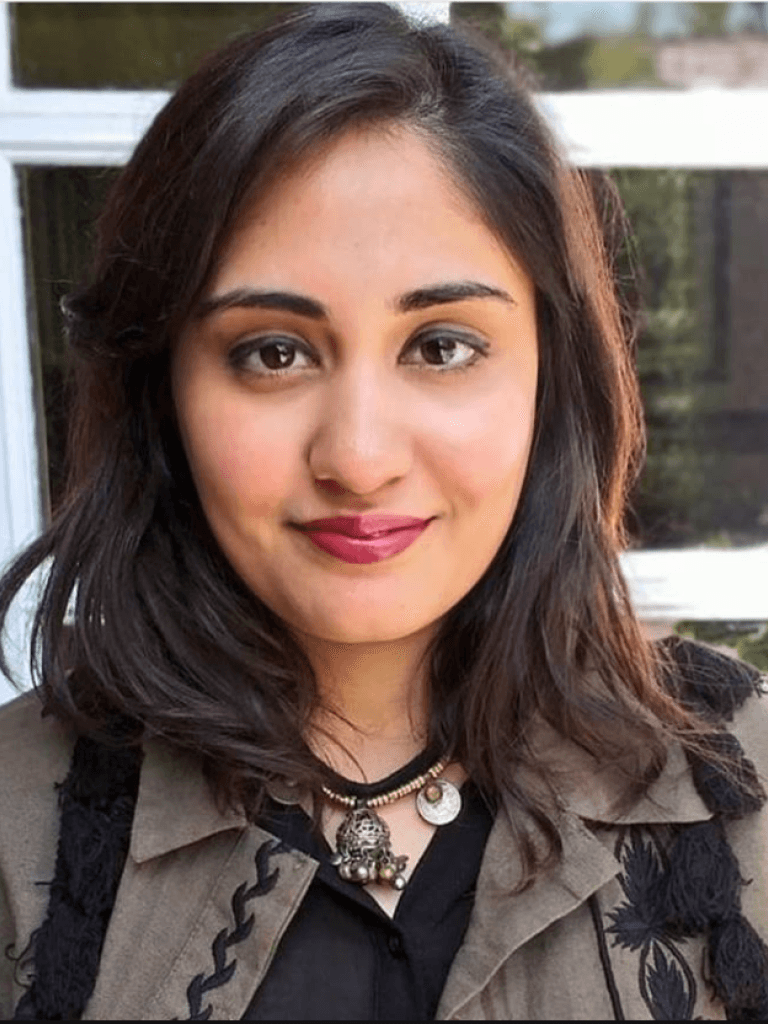
Lala Rukh Fazal-Ur-Rahman
Beyond Pakistan's 26 million out-of-school children, science for those in school is dominated by rote memorization. Girls and children from low-income communities in particular build low science capital: the knowledge, experiences and confidence to see science as theirs.
BIG IDEA
Simple, effective science lessons integrated into the curriculum
Watch the pitch
The mission
Help children learn science better.
How it works
Sustained teacher training plus a continuous supply of bite-sized, curriculum-aligned inquiry activities in local languages, built from low-cost, locally available materials. Teachers experience the science themselves in training, then get a year of follow-up support until inquiry becomes their normal way of teaching, inside the existing timetable.
The dream
Inquiry-based science as a normal part of primary education across public and low-cost private schools. Doer at scale: government systems and school networks. Payer at scale: education budgets, with development partners supporting adoption during scale-up.
Potential for impact at scale
Read against four questions, in the context of the organisation’s stage: is the impact good enough, is the problem big enough, is the model simple enough to deliver at scale, and is it cheap enough for whoever pays at scale.
Good enough · impact and evidence
Tracks conceptual understanding and scientific reasoning pre/post, plus confidence and belonging; commissioning rigorous independent evidence is their stated top priority.
Big enough · addressable market
Millions of primary students across public and low-cost private school networks.
Simple enough · to deliver at big scale
No specialist equipment, no new infrastructure, no extra class time: a weekly hands-on inquiry session inside the existing timetable.
Cheap enough · for payers at scale
About $7 per child per year today; $3 to $5 target at scale through standardized content and WhatsApp-based teacher support.
So far
- 98,000 children reached through hands-on science programmes (2019 to 2026)
- 1,800 teachers trained and supported
- 50 schools using the tools within regular teaching